
Flat Roof vs. Pitched Roof: What Works Best for Commercial vs. Residential Buildings
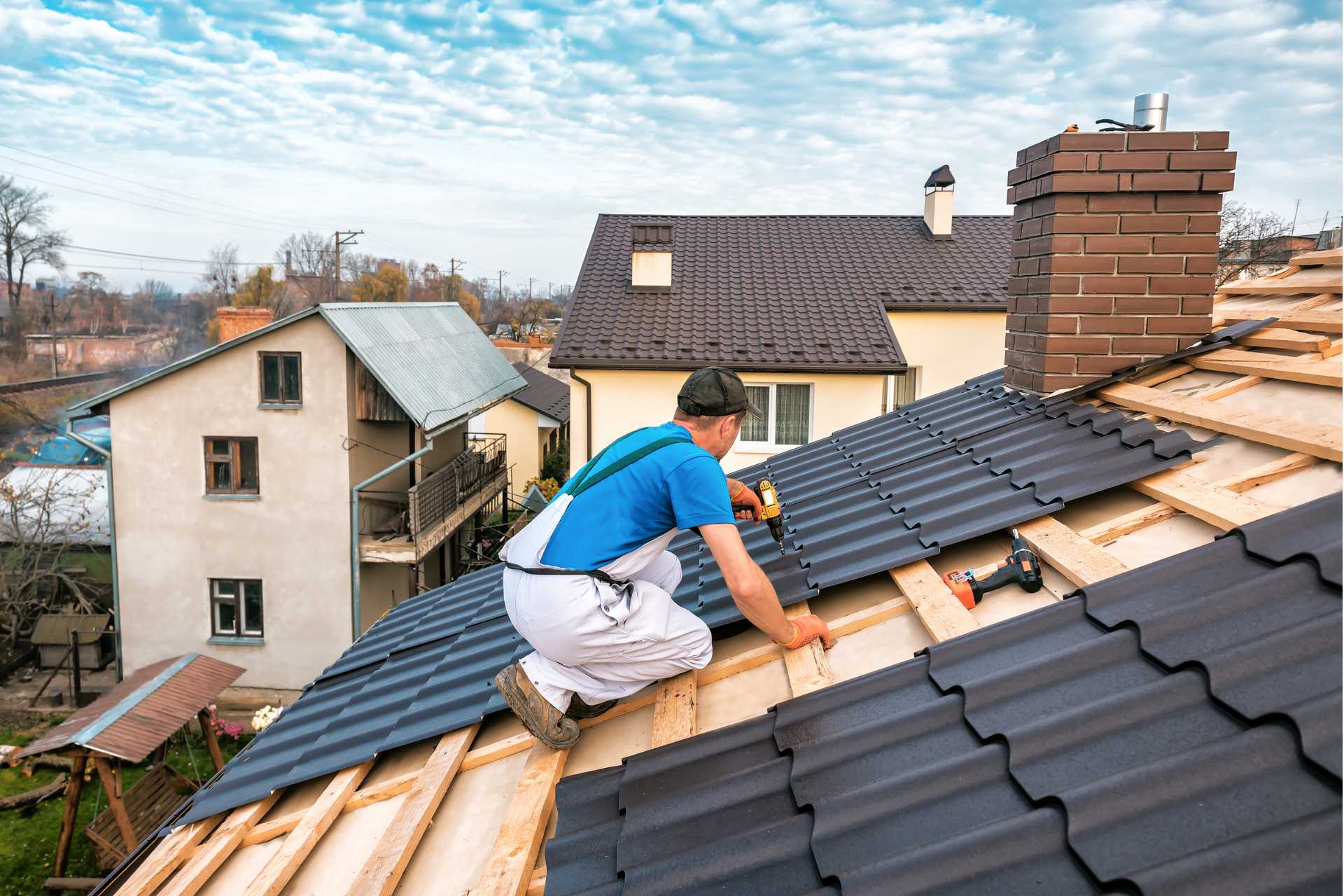
A roof will not only serve the purpose of covering a building in the rain and the sunshine; it will also help to decide the appearance of that building, its impact on energy conservation and the number of keep-ups that will be used in the long run. Deciding between a flat roof and a pitched roof is a big investment either on a business or house that one is building. There are many types of roofs, and each type will be advantageous depending on your building and place position. By having professional services in roofing, the property owners would be able to have the most suitable solution to their needs. We are going to discuss some of the most significant distinctions between flat and pitched roofs and see which of them would fit your property well.
Flat Roofs: The option feasible to commercial buildings.
Flat roofs are used in commercial buildings due to their pragmatics, contemporary and less expensive nature. Due to their almost flat design, HVAC systems, solar panels, and other equipment can be installed easily, whereas proper drainage and maintenance ensure that there are no leaks or damages. Flat roofs are practical and attractive because they are waterproofed, durable, and energy efficient using durable substances such as TPO, EPDM, and modified bitumen.
Pitched Roofs: Since times immemorial, this has been the solution to residential houses.
Pitched roof is quite stable and would appeal to the eye of a prospective homeowner. The angular shape clearly resists rain, snow, and debris, which minimizes the amount of water damages and increase its longevity. They are also good in ventilation and insulation, thus saving the owners of the homes on energy expenditure. Asphalt shingles, metal panels and slate are common materials that have been used in the construction due to their strength and aesthetics. Although the cost of installation might be high as compared to flat roofs, they are a good investment due to their low maintenance and extended service.
Maintenance and Longevity
Any roof should be maintained regularly in order to increase its life. Flat roofs must be checked on standing water, on the damage of membranes, and on the presence of debris compared with the pitched roofs on the loose shingles, clogged gutter, and on flashing problems. Regular checkups assist in identifying minor issues at an early stage before they are repaired at high costs and the roof remains efficient enough.
What Is the Best kind of Roof?
The flat roofs are usually the most preferable roof design in commercial buildings because they are easy to access, convenient and economical. Conversely, pitched roofs tend to be more appropriate on residential buildings, and they offer great drainage, excellent shielding against the weather as well as beautification on the curb. When evaluating the needs of every building, one can find a roofing system that would be efficient, appealing to the eyes, and durable.
To Sum Up
Flat roofs serve well in commercial buildings and are also cost-effective, whereas pitched roofs are practical and aesthetic to the homes of people. The secret to these two is that they should be well-maintained, and the professional roofing solutions of NEF General Contracting will help you realize the steps that should be taken to install, repair, or replace a roof to ensure that you will be able to use it many years without any issues, and you will be able to save money on energy and spend years of your life in peaceful services.