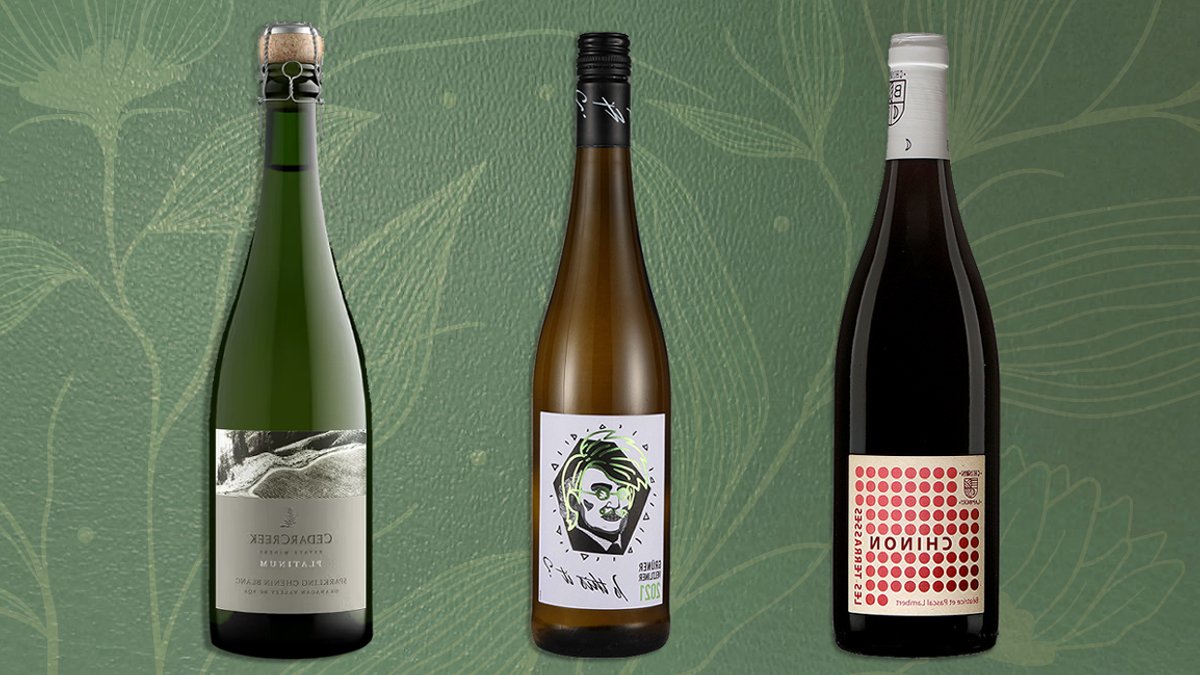
Garden-inspired wine pairings offer a way to echo the season’s freshness while supporting sustainable practices, according to a recent selection of three wines.
Sparkling Chenin Blanc from CedarCreek
The first recommendation is CedarCreek Sparkling Chenin Blanc, priced at $42.
The wine combines the effervescence of a sparkling style with the subtle honey notes typical of chenin blanc, without turning overtly sweet.
The producer emphasizes organic vineyard methods, a factor that aligns with “bee‑friendly” labeling aimed at reducing pesticide use.
Its bright profile makes it a versatile match for a range of dishes, from light salads to richer fare.
Beyond the palate, the choice of an organic vineyard shows the idea that vineyards function as expansive gardens where biodiversity thrives. By avoiding chemicals harmful to pollinators, CedarCreek creates a habitat that supports the broader ecosystem, a principle that resonates with the “bee‑friendly” ethos highlighted in the source material. This approach not only safeguards the health of local bee populations but also contributes to the natural balance that can influence grape quality, allowing the wine to express terroir with clarity.
Lambert Chinon from Béatrice et Pascal
Next on the list is Béatrice et Pascal Lambert Chinon, listed at $35.
This Loire‑valley red, made from Cabernet franc, is noted for a garden‑like character that recalls fresh cucumber and cracked pepper.
The description highlights its ability to pair well with both bison and duck preparations, suggesting a balance of acidity and modest tannins that can complement protein‑rich meals without overwhelming them.
Cabernet franc’s reputation as a “chameleon” grape is evident in this bottle, where the varietal’s capacity to convey both vegetal crispness and subtle spice is showcased. The source notes that, in the Loire, the grape adopts the “crunch and greenness” of a garden, a quality that translates into a wine that feels both lively and grounded. This duality makes the Chinon a fitting companion for dishes that feature earthy proteins, as the wine’s structure can lift the richness of the meat while echoing the fresh, herbaceous notes of accompanying vegetables.
Grüner Veltliner by Danubiana
The third choice, Danubiana Is This It Grüner Veltliner, is the most affordable at $17.
Although sourced from a Hungarian importer, the wine delivers stone‑fruit flavors alongside vegetal notes such as celery and radish, offering a garden‑centric complexity uncommon at this price point.
Its crisp acidity and subtle spice make it suitable for a variety of seasonal vegetables and lighter dishes.
The source emphasizes that this Grüner Veltliner, discovered while reading a Booker Prize novel, surprises with its “garden‑y fun and complexity,” delivering more nuance than typical sub‑$20 imports. The presence of stone fruit alongside celery and radish creates a layered palate that mirrors a garden plot where sweet and savory elements coexist. This complexity, especially at an accessible price, highlights how careful sourcing and attentive winemaking can bring expressive, terroir‑driven wines to a broader audience.
While each wine originates from distinct regions, they share a common emphasis on terroir‑driven production and environmentally aware farming.
The selections illustrate how winemakers can reflect garden motifs not just in flavor but also in cultivation practices.
Beyond the sensory experience, the article’s theme ties the act of winemaking to the stewardship of the land, noting that vineyards are essentially large gardens. The “bee‑friendly” designation mentioned for CedarCreek shows a commitment to avoiding pesticides that harm pollinators, reinforcing the idea that responsible viticulture supports the health of surrounding ecosystems. This environmental consciousness aligns with the broader notion of “organic, back‑to‑basics” winemaking championed by the author.
Consumers may find that these pairings encourage a broader appreciation for wines that balance taste with ecological stewardship, potentially influencing purchasing decisions toward more sustainable options.
They may explore food personalities who support sustainable practices.